Understanding the psychological effects of gambling on decision-making and behavior
The Nature of Gambling and Its Psychological Impact
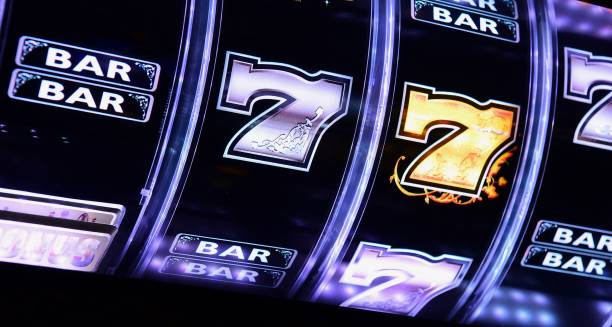
Gambling is often portrayed as a thrilling activity, but its psychological implications are complex and profound. The allure of winning can trigger an intense emotional response, leading individuals to make impulsive decisions that override rational thought. Many people seek platforms that offer rapid payouts, like a fast withdrawal casino, which adds to the excitement, creating a feedback loop where the thrill of potential wins drives further gambling, often at the expense of financial stability.

Moreover, the psychological effects of gambling extend beyond just the immediate highs and lows. The anticipation of winning, known as the “gambling rush,” can lead to dopamine releases in the brain, similar to the effects of addictive substances. This biological reaction can skew an individual’s decision-making processes, making it challenging to recognize the line between responsible gambling and compulsive behavior.
The Role of Cognitive Biases in Gambling Behavior
Cognitive biases play a significant role in how individuals perceive their gambling experiences. Many gamblers fall victim to the illusion of control, believing they can influence the outcomes of games purely based on skill rather than chance. This misconception can lead to excessive gambling, as individuals continue to place bets under the false assumption that they can “beat the odds.”
Additionally, the gambler’s fallacy—where individuals believe that past events influence future outcomes—can exacerbate this issue. For instance, if a player experiences a series of losses, they may irrationally believe that a win is “due” shortly thereafter. Such cognitive distortions can severely impair judgment, pushing individuals deeper into problematic gambling behaviors.
The Emotional Consequences of Gambling Addiction
The emotional toll of gambling addiction can be devastating. It often leads to feelings of shame, guilt, and anxiety as individuals grapple with the consequences of their behavior. Many gamblers experience a cycle of remorse and temporary abstinence, only to return to gambling as a means of coping with negative emotions.
These emotional struggles can create significant rifts in personal relationships and professional life. Loved ones may feel the impact of a gambler’s choices, leading to conflicts and distrust. Consequently, the emotional repercussions of gambling are far-reaching and can affect not only the individual but also their social circle.
Support Systems and Treatment Options
Recognizing the psychological effects of gambling is crucial for recovery. Support systems, such as counseling and support groups, provide essential avenues for individuals to share their experiences and learn from others facing similar challenges. These platforms foster a sense of community, helping gamblers understand that they are not alone in their struggles.
Treatment options often include cognitive-behavioral therapy, which targets the cognitive distortions associated with gambling. By addressing these biases, individuals can develop healthier decision-making strategies and better cope with the emotions tied to their gambling experiences. Such interventions can lead to meaningful changes in behavior and promote long-term recovery.
Fast Withdrawal Casino: Your Guide to Safe Gambling
Fast Withdrawal Casino is committed to providing a safe and secure gaming environment for players in the UK. Our platform emphasizes the importance of responsible gambling, ensuring that users have access to rapid payout options while prioritizing their well-being. We feature reviews and comparisons of top-rated casinos, helping players make informed decisions.
By promoting safe gambling practices and offering insights into the psychological aspects of gambling, Fast Withdrawal Casino strives to enhance the overall gaming experience. Our mission is to support players in enjoying their favorite games while remaining aware of the potential psychological effects associated with gambling.
Leave a Reply